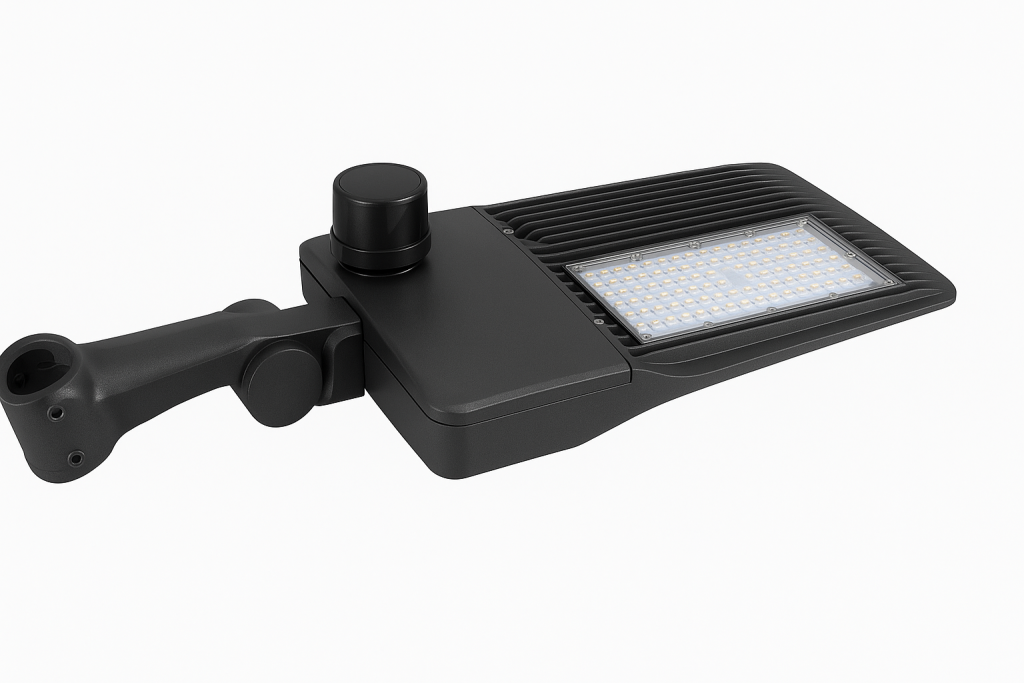
Seattle is transforming into a smart, sustainable city, with LED street lighting at the forefront of this change. As the city tackles climate goals and urban growth, energy-efficient lighting plays a key role in enhancing safety and reducing costs. Choosing local LED street lighting suppliers in Seattle ensures faster delivery, better support, and compliance with municipal standards. This article highlights top suppliers like K-COB LED and Evluma, their product features, smart lighting trends, and real-world project insights to help you find the right partner for your lighting needs.
Why LED Street Lighting Is Crucial for Seattle
Seattle’s aging street lighting infrastructure faces high maintenance and energy costs. Traditional sodium lights are inefficient and struggle to provide clear visibility. The city’s frequent rain and fog demand reliable, bright solutions to ensure safety for drivers and pedestrians. LED street lighting addresses these challenges effectively.
LEDs offer up to 60% energy savings, a lifespan of 50,000+ hours, and integration with smart systems. They enhance safety with brighter, uniform light, crucial for Seattle’s hilly streets. Moreover, LED conversions support the city’s Climate Action Plan by reducing emissions, aligning with green building goals and making Seattle a leader in sustainable urban development.
Key Qualities to Look for in a Street Lighting Supplier
When selecting a supplier, prioritize compliance with UL, DLC, and Dark Sky standards to ensure quality and environmental responsibility. A diverse product range—covering street, highway, and walkway lighting—meets varied project needs. Smart city-ready features like IoT support, remote control, and dimming capabilities are essential for modern infrastructure.
Additionally, look for strong warranties, reliable post-sales service, and installation assistance. Suppliers with a local presence understand Seattle’s municipal requirements, such as permitting and energy codes, ensuring smoother project execution. These qualities guarantee long-term performance and value for your investment.
Top LED Street Lighting Suppliers in Seattle
For more on regional manufacturing, visit our full guide to LED street light manufacturers in Washington State.
The following table compares key features among Seattle’s top LED street lighting suppliers:
| Supplier | Smart Features | Warranty | Notable Projects | Local Support |
|---|---|---|---|---|
| K-COB LED | Yes (IoT ready) | Up to 10 years | Downtown Seattle, Tacoma | Yes |
| Evluma | Yes (IoT + Remote) | 10 years | Bellevue walkways, parks | Yes |
| Cooper Lighting | Yes (Smart Modules) | Varies | Industrial port lighting | Yes (via partners) |
| Cree Lighting | Yes (Adaptive) | Varies | Municipal adaptive systems | Yes (via dealers) |
| Pacific Lighting | Depends on brand | Varies | Design services for agencies | Yes |
| Wesco Seattle | Yes (via brands) | Varies | Stock & delivery services | Yes |
K-COB LED
K-COB LED, with a strong U.S. presence, excels in durability using ceramic COB technology. Their street lights offer high brightness and energy efficiency, ideal for urban settings. Smart integration options include remote monitoring and dimming. They’ve completed projects in King County and Tacoma, providing custom optics and extended warranties.
Evluma
Based in Renton, Evluma serves Seattle with its AreaMax and OmniMax series. These lights integrate seamlessly with municipal platforms, offering smart features like IoT connectivity. Evluma’s robust after-sales support ensures long-term reliability, making them a trusted choice for local projects.
Cooper Lighting (Eaton)
Cooper Lighting, available through Seattle-based distributors, offers a wide range of street lighting with smart modules. Their high-wattage options suit major roads and highways, providing durable, weather-resistant solutions for the region’s climate.
Cree Lighting
Cree Lighting, accessible via Seattle-area distributors, focuses on performance-grade lighting. Their adaptive lighting and smart control innovations make them a go-to for municipalities seeking advanced technology and efficiency.
Pacific Lighting Systems
A local supplier, Pacific Lighting Systems represents multiple brands and works with public agencies. They offer turnkey procurement and design consultations, streamlining lighting projects for developers and municipalities.
Wesco Seattle
Wesco, a large-scale distributor, stocks brands like Cree, GE, and Philips. They provide fast delivery, competitive pricing, and ample stock, catering to both small and large-scale projects in Seattle.
Smart LED Street Lighting: A Growing Trend in Seattle
Smart LED street lighting uses technology to enhance efficiency. Features include motion sensors, ambient light dimming, remote control, and diagnostics, which reduce energy use and improve safety. For example, lights can dim when streets are empty, saving power, or brighten during peak hours.
Seattle has embraced this trend, with pilot projects in areas like South Lake Union integrating smart streetlights. These systems use centralized platforms to monitor performance, ensuring quick repairs and optimal operation. Smart lighting is a cornerstone of Seattle’s vision for a connected, sustainable city.
Municipal & Commercial Applications
Seattle City Light has led municipal retrofits, upgrading thousands of streetlights to LEDs across the city. Commercial applications include business parks, HOAs, and private campuses adopting LED lighting for cost savings. Sustainability incentives from Seattle City Light encourage businesses to switch, offering rebates for energy-efficient upgrades, further driving adoption.
Case Studies of Successful LED Supplier Partnerships
To explore Seattle’s public lighting transformation in-depth, check out our feature on Seattle municipal LED street light projects.
Below are examples of Seattle-based LED projects that demonstrate real-world applications of supplier capabilities and outcomes.
K-COB LED in Downtown Seattle
K-COB LED replaced HPS lights in Downtown Seattle with ceramic COB LEDs. The project improved visibility for foot traffic, achieving 65% energy savings. Their extended warranty ensured long-term reliability for the city.
Evluma in Bellevue
Evluma deployed AreaMax smart lights in Bellevue’s parks and walkways. A centralized monitoring dashboard allowed real-time control, enhancing safety and reducing energy use significantly.
Cooper via Pacific Lighting in Industrial District
Pacific Lighting Systems facilitated a high-mast LED conversion for a port facility using Cooper Lighting’s weatherproof, smart-ready luminaires. The upgrade improved illumination for nighttime operations.
Questions to Ask Before Choosing a Supplier
Before selecting a supplier, ensure they meet your project’s scale, smart capabilities, and support needs. Consider:
- What warranty is included?
- Are smart controls modular or integrated?
- Do they offer installation or just product supply?
- How quickly can they deliver and restock?
- Do they support government or utility rebate programs?
- Have they completed similar projects in Seattle?
Before committing, ask key questions. What warranty is included? Are smart controls modular or integrated? Do they offer installation, or just supply? How quickly can they deliver and restock? Do they support government or utility rebate programs? These questions ensure you select a supplier aligned with your project’s needs.
Environmental & Financial Benefits for Seattle
LED conversions help Seattle meet emissions goals, reducing the city’s carbon footprint. They also cut maintenance and energy bills by up to 60%, with savings amplified by government funding and Seattle City Light rebates. Additionally, LEDs reduce light pollution, improving urban design and supporting ecological balance.
Conclusion
Seattle’s push for modern LED street lighting opens doors for reliable suppliers like K-COB LED and Evluma. These local, smart, and sustainable options cater to all buyers, from municipalities to businesses. Ready to upgrade? Contact K-COB LED at K-COB LED for a free quote or assessment today.