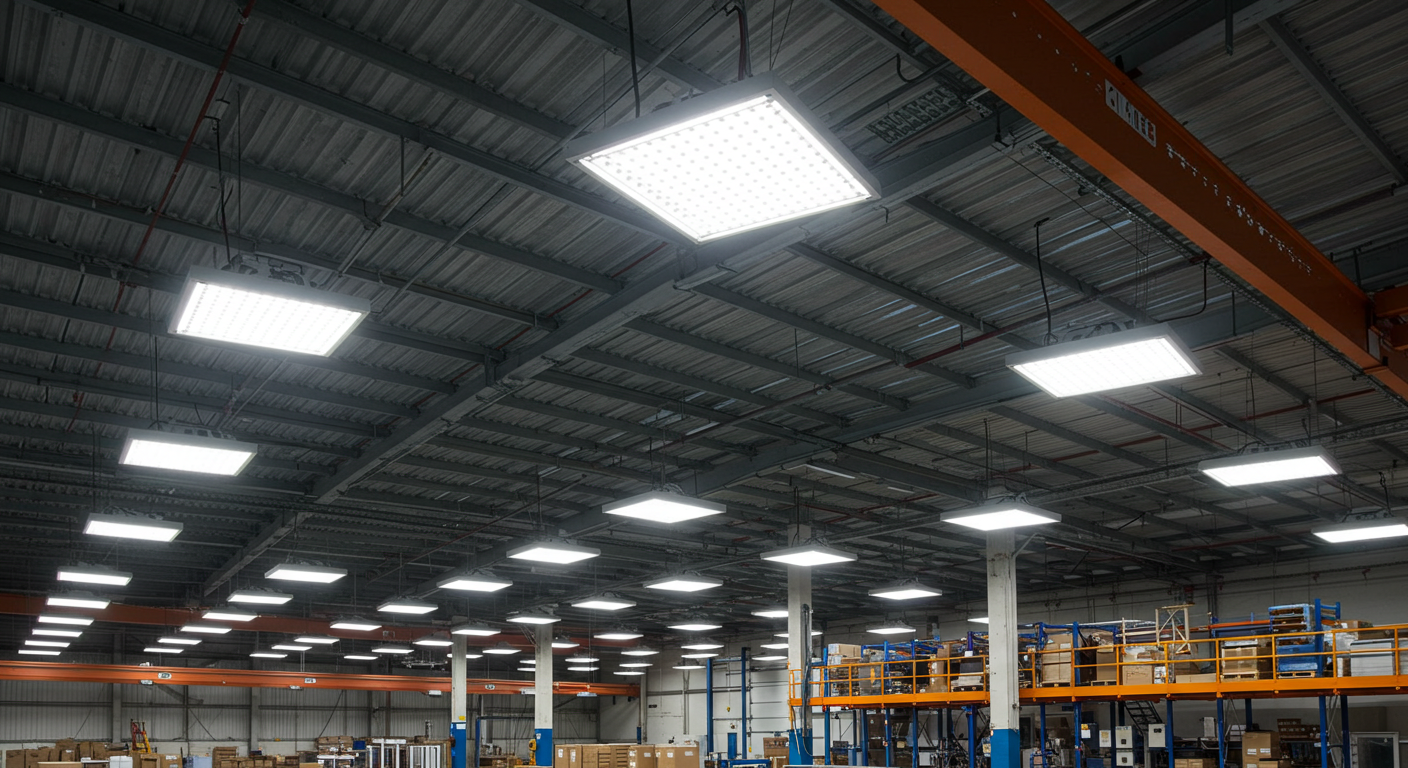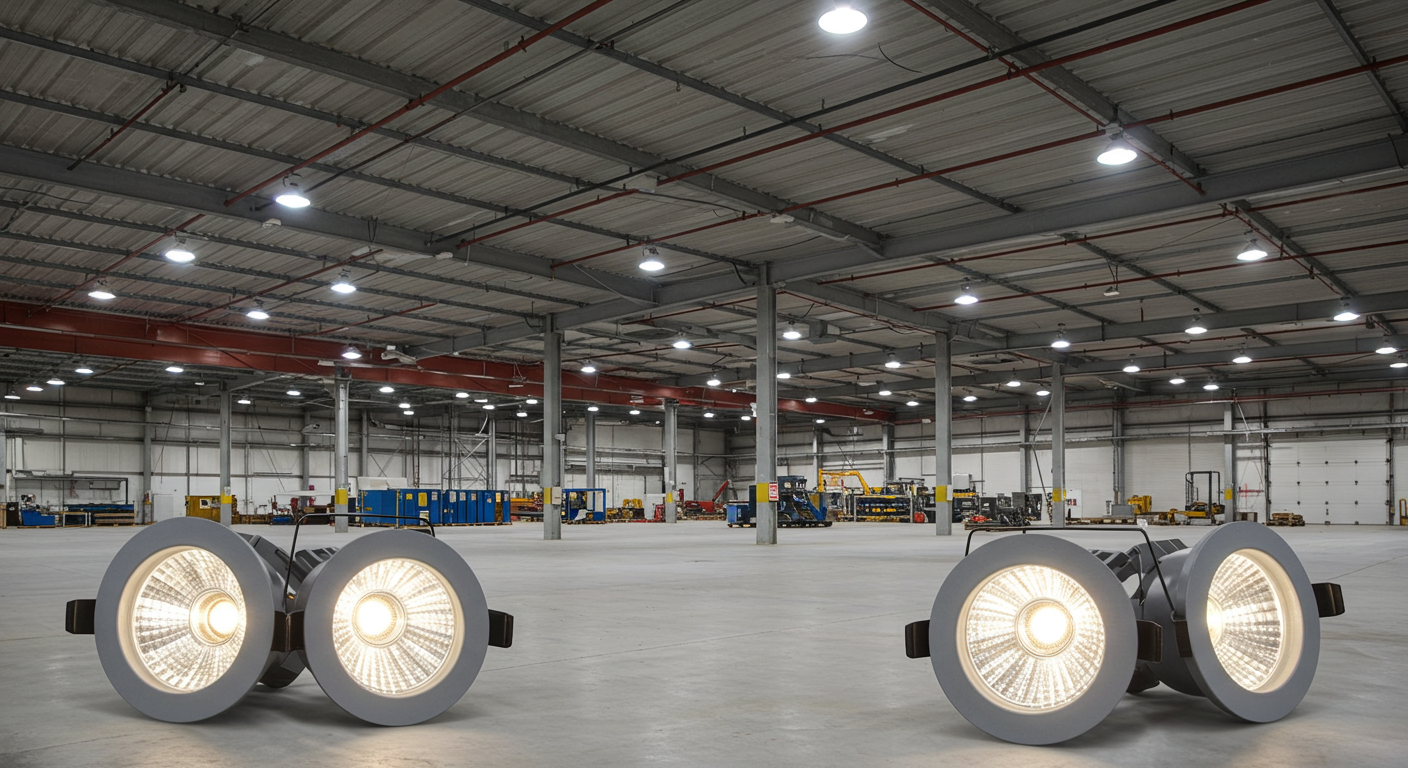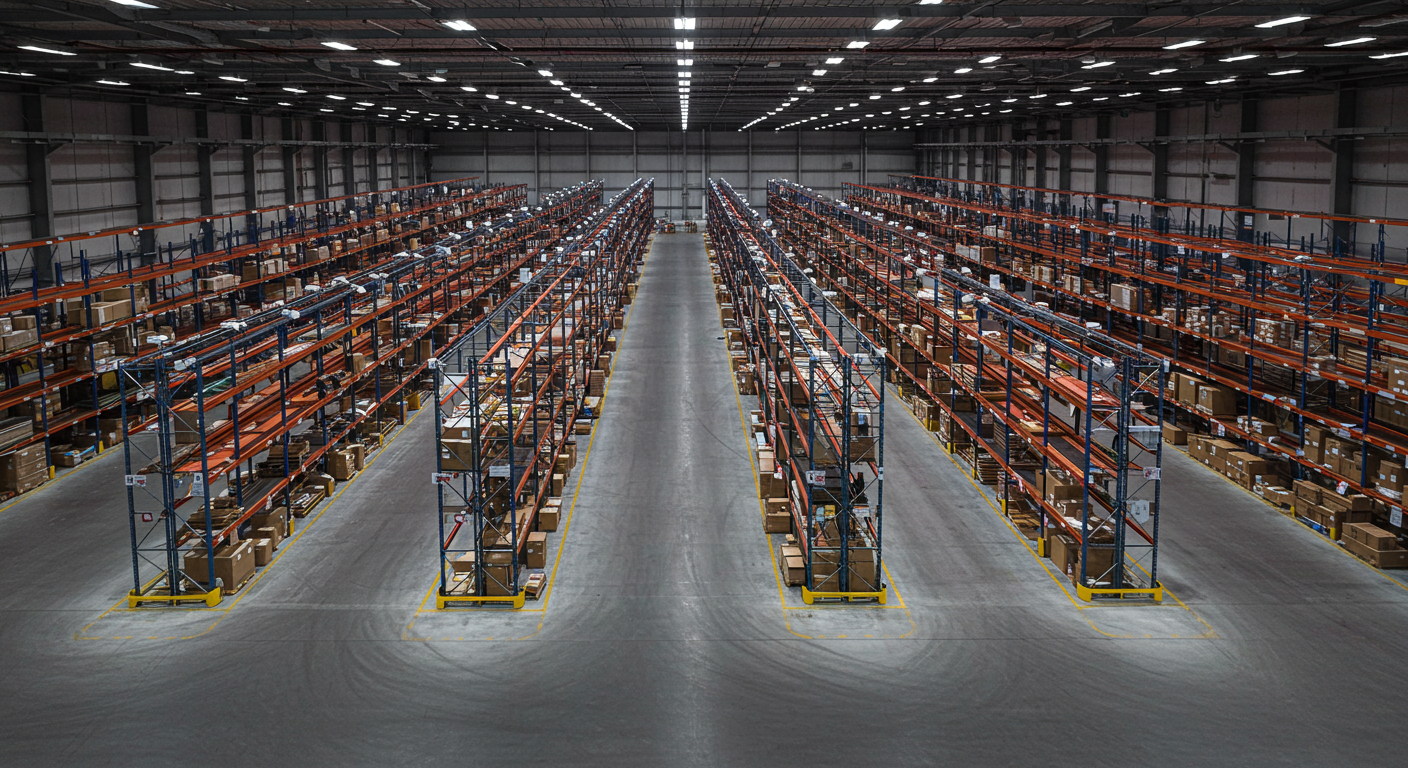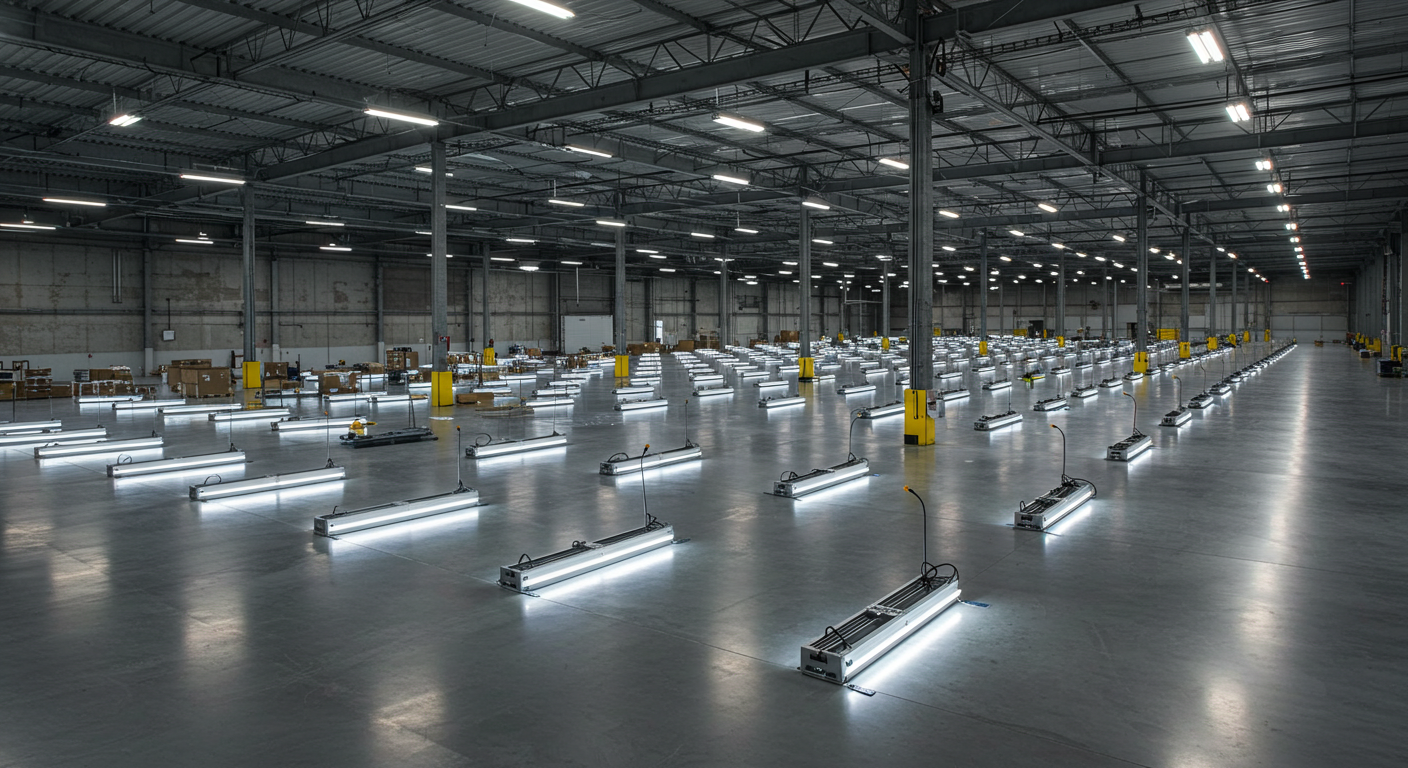
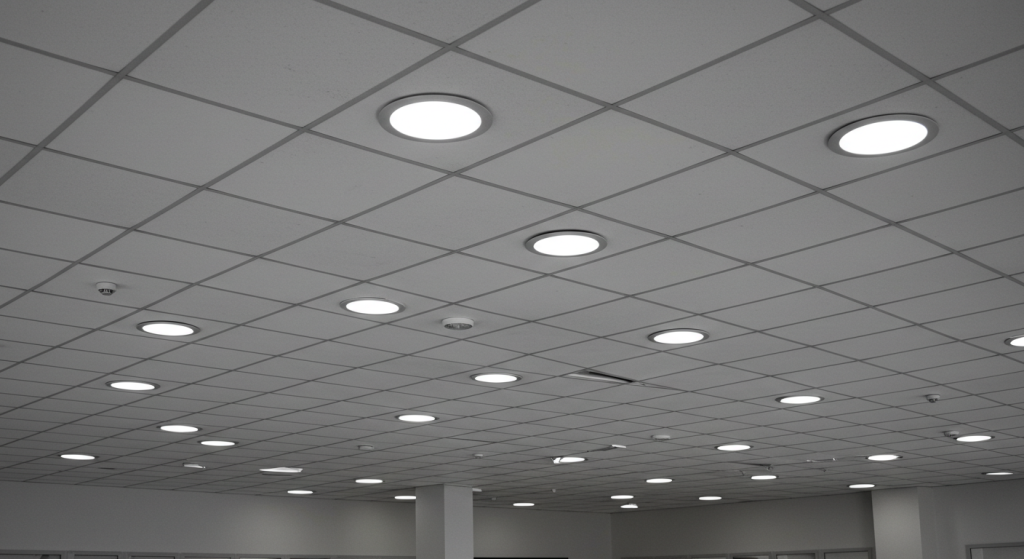
Step into any factory, and you’ll notice one thing right away: lighting matters. It’s not just about seeing what you’re doing—it’s about keeping workers safe, boosting productivity, and controlling costs in a high-stakes environment. High power LED downlights are tailor-made for factories, delivering intense illumination that transforms massive industrial spaces with high ceilings. These aren’t your average lights; they’re engineered to meet the unique demands of manufacturing plants, ensuring every corner is bright, safe, and efficient.
In this post, we’ll break down what high power LED downlights are, why they’re a perfect fit for factories, and how they stack up against traditional lighting options. We’ll share a real-world example of their impact, offer tips for choosing the right fixtures, and address common questions. By the end, you’ll understand why these downlights are a must-have for modern factory operations. Let’s get started.
What Are High Power LED Downlights?
High power LED downlights are robust, high-output LED fixtures designed for large industrial spaces like factories, warehouses, and production facilities. Unlike standard downlights used in homes or offices, these are built to deliver exceptional brightness—typically 10,000 to 50,000 lumens or more per fixture. For comparison, a typical household bulb produces about 800 lumens, so these are serious heavyweights, capable of lighting up vast areas with high ceilings (20 feet or more).
What makes them special is their efficiency and durability. Using advanced LED technology, they convert most of their electricity into light, wasting minimal energy as heat. This is a big deal in factories, where lights often run for long hours, and energy costs can add up fast. They’re also tough enough to handle the harsh conditions of industrial settings—think dust, vibrations, or even high temperatures. Many come with ingress protection (IP) ratings like IP65, making them resistant to dust and water, and are constructed with materials like aluminum or polycarbonate for added resilience.
These downlights are often recessed into ceilings for a clean, integrated look, but some models offer surface-mounted or pendant options for flexibility. With features like adjustable beam angles and smart controls, they’re designed to meet the specific needs of factory environments, from assembly lines to quality control stations.
Key Features That Make Them Ideal for Factories
Here’s what sets high power LED downlights apart in the demanding world of factory lighting:
- Massive Light Output: Producing 10,000 to 50,000 lumens or more, a single fixture can illuminate large areas, reducing the number of lights needed and simplifying installation.
- Energy Efficiency: A 200-watt LED downlight can match or exceed the brightness of a 400-watt traditional fixture, cutting energy use by up to 50% or more. This is critical for factories running lights around the clock.
- Long Lifespan: Rated for 50,000 hours or more, these fixtures can last over a decade with 12-hour daily use, minimizing replacements and downtime.
- Industrial-Grade Durability: With IP65 or higher ratings, they resist dust, moisture, and vibrations. High-temperature models are available for factories with extreme heat, such as steel mills.
- High-Quality Light: Most offer a 5000K color temperature, close to natural daylight, which reduces eye strain and improves visibility for precision tasks like quality inspections.
- Flexible Beam Angles: Adjustable beams (20° to 60° or more) allow for wide coverage or focused lighting, perfect for diverse factory layouts.
- Smart Controls: Many support dimming or integrate with motion sensors and smart systems, saving energy when areas are unoccupied.
- High CRI: With a Color Rendering Index (CRI) of 80 or higher, they ensure accurate color representation, essential for tasks like paint inspection or material sorting.
These features make high power LED downlights a versatile, high-performance solution for factory environments.
Why Factories Need High Power LED Downlights
Switching to high power LED downlights offers a range of benefits tailored to the unique challenges of factory operations. Here’s why they’re a smart choice:
- Cost Savings: While the initial cost is higher, energy consumption can drop by up to 70%. With virtually no maintenance, you’re also saving on bulbs, ballasts, and labor. In a factory, where hundreds of fixtures might be in use, these savings add up fast.
- Enhanced Safety: Bright, flicker-free lighting reduces accidents. Clear visibility is critical for workers operating heavy machinery, navigating forklifts, or handling sharp tools. LEDs also eliminate the warm-up time of older lights, ensuring instant illumination.
- Improved Productivity: Good lighting boosts focus and reduces errors. Studies show that well-lit environments enhance worker performance, especially for detail-oriented tasks like assembly or quality control.
- Environmental Benefits: LEDs use less power, lowering your carbon footprint. They also lack hazardous materials like mercury, found in fluorescent or HID lights, making disposal safer.
- Customizable Lighting: With options for beam angles, color temperatures, and smart controls, you can tailor the lighting to specific areas—bright for workstations, softer for break areas.
- Compliance and Durability: Many factories face strict safety and environmental regulations. LED downlights meet standards like UL, DLC, or ETL, and their robust design handles harsh conditions like high heat or dust.
- Professional Appearance: A well-lit factory looks modern and organized, creating a positive impression for clients, auditors, or potential partners.
These benefits align perfectly with the needs of factory managers looking to optimize operations while keeping costs and risks low.
Comparing High Power LED Downlights to Traditional Factory Lighting
To understand their value, let’s compare high power LED downlights to common factory lighting options: high-intensity discharge (HID) lamps and fluorescent fixtures. This table highlights the differences:
| Feature | High Power LED Downlight | HID Light | Fluorescent Light |
|---|---|---|---|
| Energy Consumption | Low (200W for 20,000 lumens) | High (400W for same) | Medium (100W for 10,000 lumens) |
| Lifespan | 50,000+ hours | 10,000-20,000 hours | 10,000-15,000 hours |
| Maintenance Needs | Minimal | High (bulbs, ballasts) | Moderate (bulbs, ballasts) |
| Light Quality | Steady, no flicker | Flickers, fades over time | Flickers with age |
| Instant On | Yes | Requires warm-up (1-5 min) | Yes |
| Dimming Support | Often available | Rarely available | Possible, but wears faster |
| Environmental Impact | Low (no mercury) | High (contains mercury) | Medium (contains mercury) |
| Durability | IP65, high-temp options | Moderate | Low, glass tubes |
| Long-Term Cost | Higher upfront, low ongoing | Low upfront, high ongoing | Moderate overall |
LED downlights outperform their counterparts. HID lights, like metal halides, are bright but energy-intensive and require frequent maintenance. Their warm-up time and flicker can disrupt operations, and mercury content poses disposal issues. Fluorescent tubes are more efficient than HIDs but still lag in lifespan, durability, and light quality. LEDs offer instant, flicker-free light, superior efficiency, and the toughness needed for factory conditions.
A Real-World Case Study: Upgrading a Manufacturing Plant
To see the impact of high power LED downlights, consider XYZ Manufacturing, a 250,000-square-foot facility producing automotive parts. Their old system used 400-watt metal halide lights, which consumed excessive power and needed bulb replacements every 18 months. Maintenance required halting production lines, and the flickering light caused worker complaints about eye strain.
After a lighting audit, XYZ installed 200 high power LED downlights, each delivering 30,000 lumens. The results were transformative:
- Energy Savings: Power consumption dropped by 60%, saving $40,000 annually on electricity.
- Zero Maintenance: Four years later, no fixtures needed replacement, eliminating downtime and repair costs.
- Worker Satisfaction: The 5000K daylight-like light improved visibility, reducing errors in quality checks by 15%.
- Rebate Boost: A utility rebate covered 30% of the installation costs, shortening the payback period.
This case shows how high power LED downlights can deliver measurable improvements in efficiency, safety, and productivity in a factory setting.
Choosing the Right High Power LED Downlights for Your Factory
Selecting the best downlights for your factory requires careful planning. Here are key factors to consider:
- Brightness Needs: Calculate the lumens required based on your factory’s size and tasks. For general lighting, aim for 150 lumens per square foot; for task areas like assembly, 250 lumens per square foot. A lighting designer can optimize fixture placement.
- Color Temperature: Choose 4000K-5000K for crisp, daylight-like light that enhances focus and visibility. Warmer 3000K options may suit break areas.
- Beam Angles: Wide beams (60°+) are ideal for open factory floors, while narrower beams (20°-40°) work for targeted lighting over workstations.
- Durability Requirements: Ensure IP65 or higher for dust and moisture resistance. For high-heat environments like steel mills, select fixtures rated for temperatures up to 302°F.
- Smart Features: Dimmable models or those with motion sensors save energy in low-traffic areas. Integration with systems like DIALux can optimize performance.
- Installation Type: Recessed downlights are common, but surface-mounted or pendant options suit factories with exposed ceilings. Check ceiling depth for canless or slim models.
- Certifications: Look for UL, DLC, or ETL listings to ensure safety and eligibility for rebates. IC-rated fixtures are safer for insulated ceilings.
- Anti-Glare Design: Deep recessed or anti-glare lenses reduce discomfort in high-ceiling spaces with reflective surfaces.
Working with a lighting specialist can ensure you choose fixtures that balance performance, cost, and compliance with factory regulations.
Potential Challenges and How to Overcome Them
While high power LED downlights are a fantastic solution, here are some potential challenges and ways to address them:
- Higher Upfront Cost: LEDs are pricier than traditional lights. Look for utility rebates or financing programs to offset costs. The long-term savings often justify the investment.
- Installation Logistics: Retrofitting a large factory can disrupt operations. Schedule installations during downtime or in phases, and hire experienced electricians for efficiency.
- Glare Issues: Bright LEDs can cause glare on shiny surfaces like machinery. Choose fixtures with frosted diffusers, anti-glare lenses, or deep recessed designs.
- Thermal Management: High power LEDs generate heat, which can affect performance in hot factories. Select fixtures with advanced cooling systems, like phase-change technology or heat sinks, to maintain efficiency.
- Compatibility: Ensure new fixtures work with existing wiring or control systems. Smart-enabled models may require additional setup or infrastructure upgrades.
Proactive planning and expert consultation can mitigate these issues, ensuring a smooth transition to LED downlights.
Industry Trends Supporting LED Adoption
High power LED downlights are part of a broader shift toward smarter, more sustainable factory operations. Rising energy costs and stricter environmental regulations are pushing manufacturers to adopt efficient lighting. LEDs, with their low power consumption and long lifespan, are at the forefront of this change.
Smart lighting is also gaining ground. Factories are integrating downlights with motion sensors, daylight harvesting systems, and IoT controls to optimize energy use. For example, Goodlight’s Light Boss SMART IoT Control system enhances efficiency by adjusting lighting based on real-time needs. Government incentives, like rebates for energy-efficient upgrades, are making the switch more affordable. Additionally, worker well-being is a growing focus, with better lighting linked to reduced eye strain and higher productivity. High power LED downlights align with these trends, making them a cornerstone of modern factory design.
Wrapping It Up: A Bright Future for Factories
High power LED downlights are a transformative solution for factory lighting. They deliver intense, reliable illumination while slashing energy and maintenance costs, improving safety, and boosting productivity. Though the initial investment is higher, the long-term savings, durability, and performance make them a clear choice for modern manufacturing facilities.
If you’re ready to upgrade your factory’s lighting, start by assessing your space’s needs and consulting a lighting expert. Explore rebate programs to reduce costs, and prioritize fixtures that match your operational demands. With high power LED downlights, you’re not just lighting up your factory—you’re creating a safer, more efficient, and sustainable environment for years to come.
FAQ
What are high power LED downlights?
They’re high-output LED fixtures designed for factories, delivering 10,000+ lumens to brightly light large, high-ceiling spaces.
Are they suitable for my factory?
If you have a large facility with high ceilings needing bright, durable, and efficient lighting, these downlights are an excellent choice.
How much does installation cost?
Upfront costs are higher than traditional lights, but energy savings of up to 70% and minimal maintenance make them cost-effective. Rebates can help.
Can I install them myself?
Small retrofits might be manageable, but factory installations typically require professional electricians for safety and compliance.
What color temperatures are available?
Options range from 3000K (warm) to 5000K (daylight-like), with 4000K-5000K ideal for factory tasks.
How Overseas Manufacturing Can Reduce Costs for Industrial LED Downlight Buyers
Overseas manufacturing, particularly in countries like China, can significantly reduce costs for industrial LED downlight buyers due to several factors:
- Economies of Scale: Countries like China have large-scale production facilities that produce LED downlights in high volumes, lowering per-unit costs. Factories in regions like Dongguan and Zhongshan specialize in LED lighting, benefiting from established supply chains.
- Lower Labor Costs: Manufacturing in regions with lower wages reduces production expenses, allowing suppliers to offer competitive prices without compromising quality.
- Access to Components: Proximity to suppliers of LED chips, drivers, and other components (e.g., OSRAM, Philips) streamlines production and cuts logistics costs.
- Advanced Technology: Many overseas manufacturers invest in cutting-edge equipment and automation, improving efficiency and product consistency while keeping costs low.
- Customization Options: Overseas suppliers often provide flexible design and specification options (e.g., wattage, CCT, beam angles), enabling buyers to get tailored solutions at lower costs than domestic custom orders.
How long do they last?
Typically 50,000 hours or more—over a decade with 12 hours of daily use.