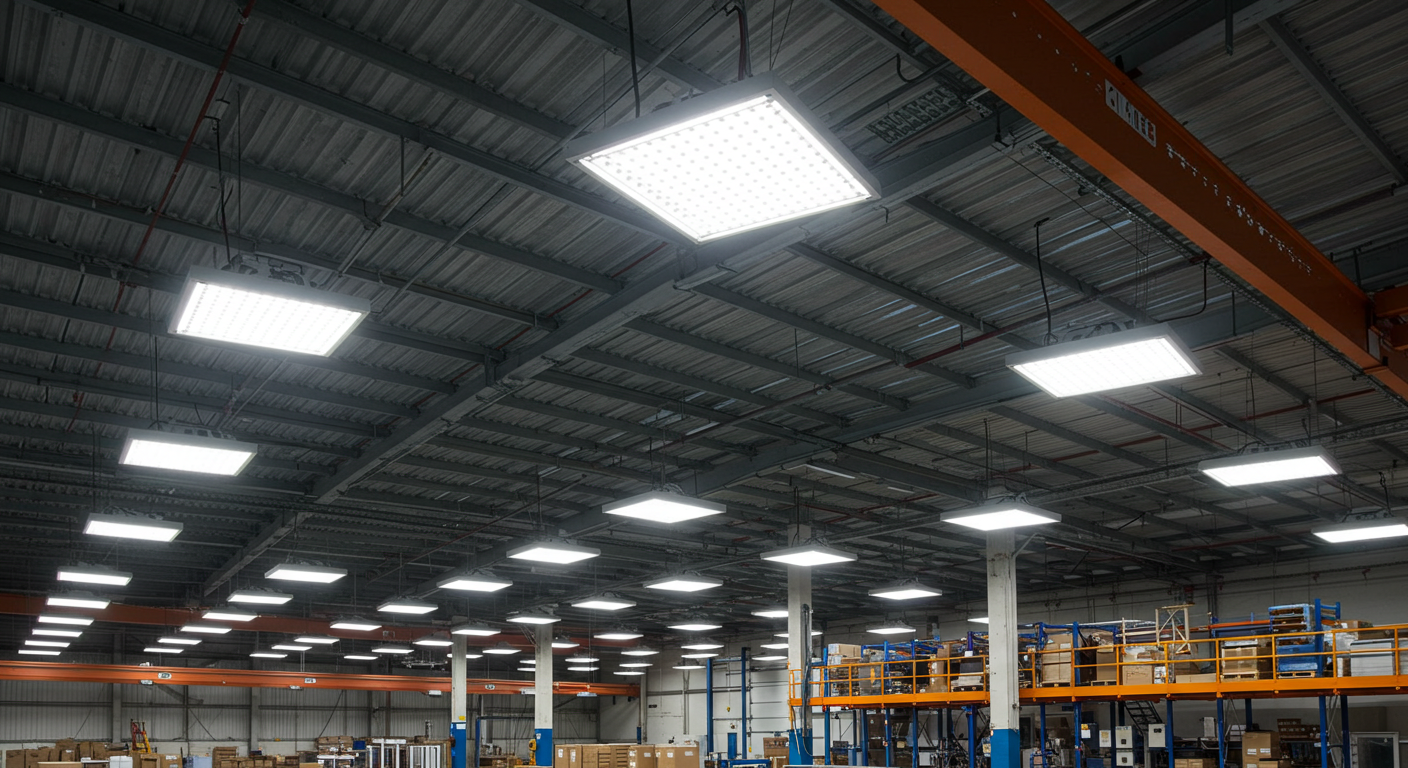
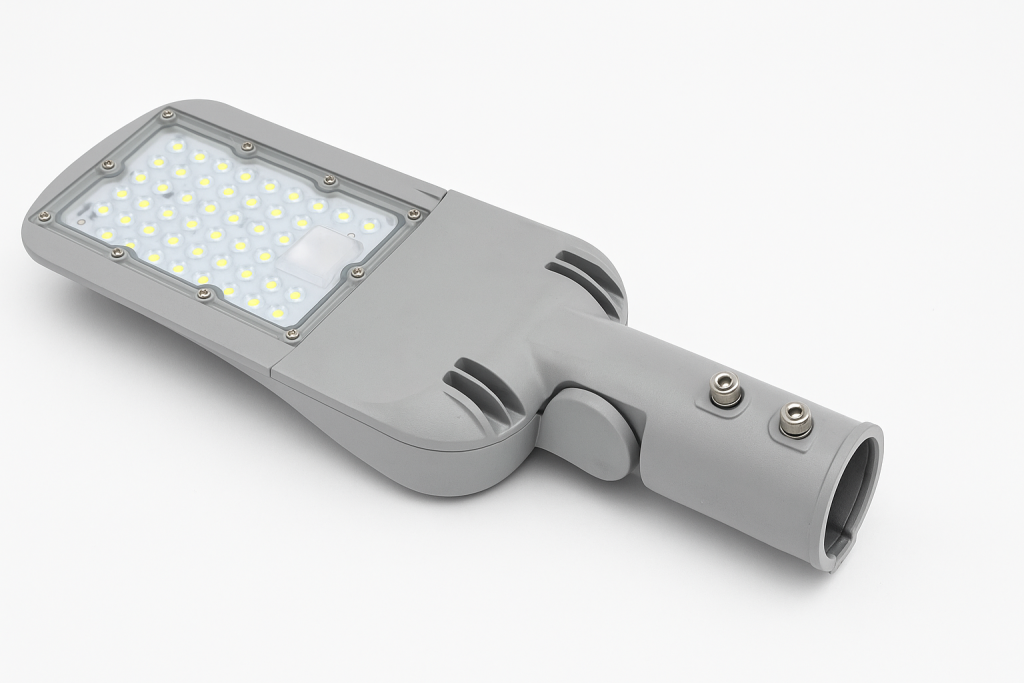
Outdoor lighting plays a critical role in educational environments, ensuring the safety and accessibility of students, faculty, and visitors. As campuses across the nation prioritize efficiency and sustainability, LED street lighting has become the go-to solution for modernizing campus infrastructure. This article explores the multifaceted benefits of LED lighting for school and university campuses, with a focus on safety, sustainability, and smart technology integration. We’ll cover design considerations, highlight successful case studies, and provide guidance on selecting the right suppliers and products to meet your campus’s unique needs.
Why Campuses Need Specialized Street Lighting
Educational campuses face unique lighting challenges that demand specialized solutions. Safety is the top priority—well-lit pathways, parking lots, and common areas reduce the risk of accidents and deter crime. Clear visibility at night is essential for navigating large campuses, where students and staff move between buildings, dorms, and parking areas. Additionally, campuses must comply with accessibility and visibility codes to ensure inclusivity for all users. Specialized LED street lighting addresses these needs while enhancing the overall campus environment.
Benefits of LED Street Lighting for Educational Institutions
| Feature | Traditional Lighting | LED Street Lighting |
|---|---|---|
| Energy Efficiency | Low | High (up to 70%) |
| Lifespan | 10,000–20,000 hours | 50,000–100,000 hours |
| Maintenance Cost | High | Low |
| Smart Integration | No | Yes |
| Light Quality | Uneven, yellow tint | Uniform, bright |
LED street lighting offers a range of advantages tailored to the needs of educational institutions:
- Energy Savings: LEDs consume up to 70% less energy than traditional lighting, significantly lowering utility costs.
- Long Lifespan: With operational lives of 50,000 to 100,000 hours, LEDs reduce the frequency and cost of maintenance.
- Improved Visibility: Uniform, high-quality light enhances safety and comfort for campus users.
- Environmental Impact: LEDs have a low carbon footprint and use recyclable materials, supporting sustainability goals like LEED and Green Campus certifications.
- Sustainability Alignment: Adopting LEDs demonstrates a commitment to eco-friendly practices, aligning with institutional values.
These benefits make LED lighting a smart, future-proof investment for campuses aiming to balance safety, sustainability, and cost efficiency.
Smart LED Features Tailored to Campuses
Smart LED lighting systems bring additional functionality to campus environments:
- Motion-Sensor Dimming: Automatically reduces brightness during low-traffic hours, saving energy.
- Remote Monitoring: Provides real-time alerts for maintenance issues, minimizing downtime.
- Adaptive Brightness: Adjusts lighting for events or activities, ensuring optimal illumination.
- Security Integration: Syncs with campus security systems, such as emergency blue lights and cameras, enhancing safety protocols.
These features allow campuses to optimize energy use, streamline maintenance, and bolster security—all while maintaining a safe and welcoming atmosphere.
Lighting Design Considerations on Campuses
Campus Lighting Audit Checklist
Before implementing or upgrading LED lighting, campus facility teams should assess:
- ✔ Existing fixture types and wattage
- ✔ Current light coverage and dark spots
- ✔ Lighting-related complaints (e.g. safety or glare)
- ✔ Pedestrian and vehicle flow patterns
- ✔ Opportunities for smart system integration
This pre-assessment helps shape a tailored, effective LED lighting strategy.
Effective lighting design for campuses requires careful planning:
- Zone-Specific Needs: Pathways, roads, and parking lots each require tailored lighting solutions.
- Light Spill Prevention: Fixtures must avoid casting light into dorms or classrooms to prevent disturbances.
- Fixture Types: Post-top, low-glare, and architecturally appropriate designs blend seamlessly with campus aesthetics.
- Pole Height and Spacing: Proper placement ensures even coverage across open spaces.
- Photometric Design: Ensures compliance with standards and uniform light distribution.
Balancing these elements creates a cohesive, efficient lighting system that enhances both safety and campus beauty.
Common Installation Zones
LED street lighting is typically installed in key campus areas:
- Pedestrian Walkways and Bike Paths: Ensures safe navigation for students and staff.
- Campus Shuttle and Roadways: Provides clear visibility for drivers and pedestrians.
- Parking Lots and Garage Rooftops: Enhances security and ease of parking.
- Dormitory Zones, Entrances, and Common Areas: Creates a welcoming, safe environment.
- Athletic Facilities and Recreational Zones: Supports evening activities and events.
Each zone benefits from LEDs’ adaptability and energy efficiency, ensuring reliable performance across diverse settings.
Case Studies: Successful LED Installations on Campuses
“We cut energy costs by 60% and improved student safety overnight after switching to K-COB LED street lights.”
— Facilities Director, Urban State University
To see how city-wide LED programs are implemented, explore Seattle Municipal LED Street Light Projects.
1. University Campus: Complete LED Retrofit
A major university retrofitted its entire campus with LED street lights, achieving 65% energy savings and fewer outages. Students reported feeling safer and more satisfied with the improved lighting quality.
2. High School District: Motion-Activated LEDs in Parking Lots
A high school district installed motion-activated LEDs in parking areas, enhancing safety while cutting energy costs. The smart features simplified maintenance, reducing the burden on facilities teams.
3. College Dorm Pathways: Decorative LED Posts
A college upgraded its dorm pathways with decorative LED posts, improving nighttime navigation and blending seamlessly with the campus’s architectural style. The result was both functional and visually appealing.
Choosing the Right Supplier or Product
For a statewide overview of reliable vendors, view LED Street Light Manufacturers in Washington State.
Selecting the right supplier is crucial for a successful LED lighting project. Prioritize vendors with:
- Educational Sector Experience: Ensures familiarity with campus-specific needs.
- Smart-Ready Systems: Allows for future upgrades and scalability.
- Photometric and Design Support: Tailors solutions to your campus layout.
- Long-Term Warranties: Provides peace of mind and cost protection.
- Local Partnerships: Suppliers like K-COB LED offer regional support for smoother installations.
These factors ensure your lighting system is efficient, durable, and aligned with your institution’s goals.
Metrics to Track Post-Installation
Once LED lighting is deployed, campuses should measure:
- ⚡ Monthly energy usage vs. baseline
- 🧰 Number of maintenance tickets or outages
- 🔍 Feedback from students and staff on lighting quality
- 📉 Incident reports before and after lighting upgrade
- 💡 Smart system responsiveness and data trends
Tracking these KPIs supports ongoing optimization and justifies long-term ROI.
Cost Considerations and Funding Options
While LED lighting may have higher upfront costs, the total cost of ownership is lower due to energy savings and reduced maintenance. Educational institutions can offset initial expenses through:
- Energy Rebates: Incentives from utility companies.
- Federal and State Funding: Grants for energy-efficient upgrades.
- Green Grants: Sustainability-focused funds for schools and universities.
The long-term ROI makes LED lighting a financially savvy choice, supporting both operational efficiency and sustainability.
Conclusion
LED street lighting is a safer, smarter, and more sustainable solution for school and university campuses. It enhances safety, reduces energy consumption, and integrates seamlessly with smart infrastructure. If your campus is ready for an upgrade, start with a lighting audit or consultation. Contact K-COB LED at K-COB LED for a free assessment or quote, and take the first step toward a brighter, more efficient future.